
X
Get Instant Callback
Didn’t Find What You Were Looking for! Get a call back from Expert Dentist
Didn’t Find What You Were Looking for! Get a call back from Expert Dentist
Say goodbye to discomfort from mouth ulcers. Get fast relief with Clove Dental’s care.
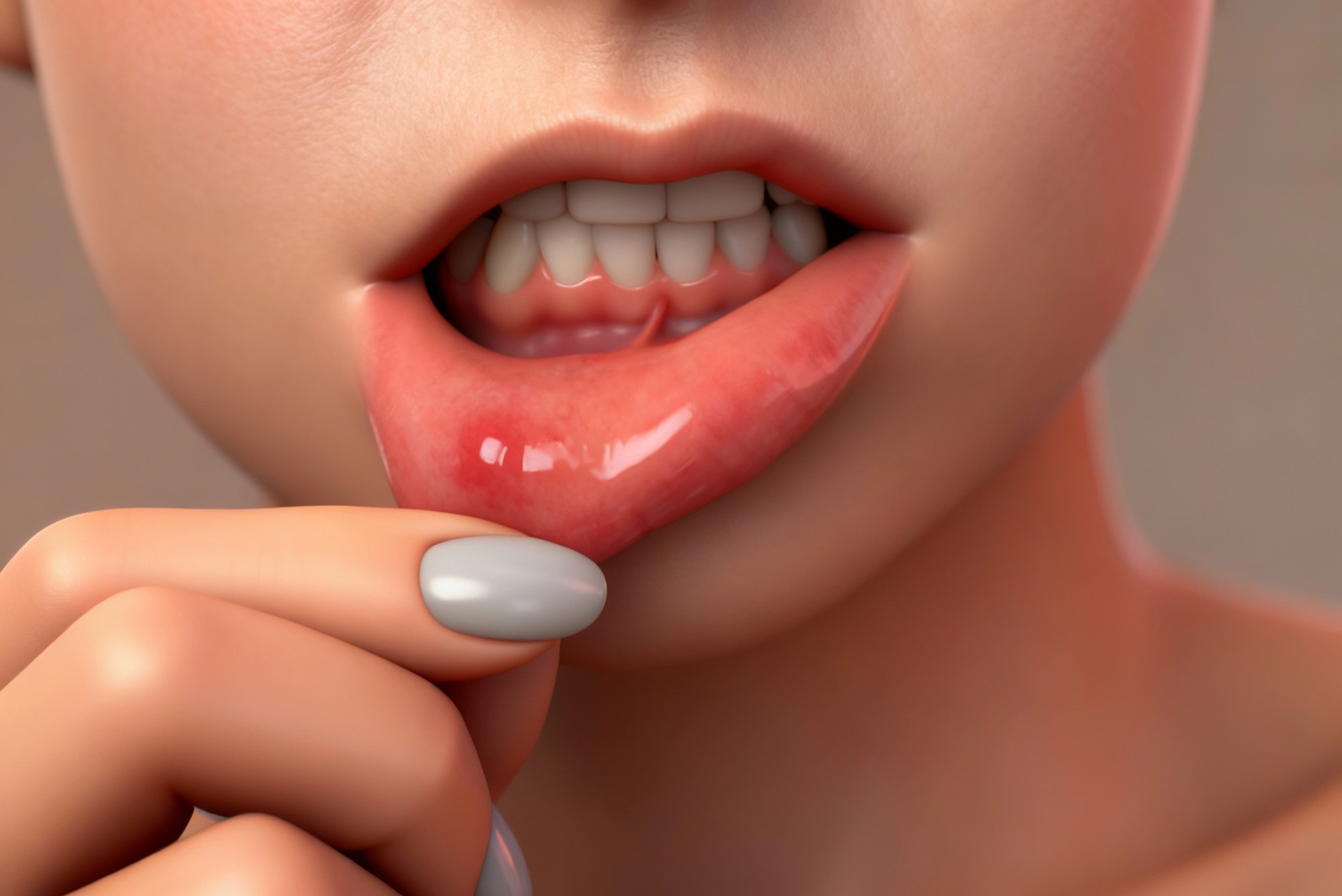



Struggling with ulcers that don’t heal or return often, affecting your daily comfort?
Most mouth ulcers heal on their own, but non-healing or recurring ulcers may signal underlying conditions, including early signs of oral cancer. At Clove Dental, we provide gentle, targeted care to relieve pain, speed healing, and treat the root cause for lasting comfort.
Mouth ulcers (also called canker sores or aphthous ulcers) are small, painful lesions that develop on the inner cheeks, tongue, gums, or lips. They can make eating, drinking, or even talking uncomfortable - especially when they keep returning or take long to heal.
You should consider seeing a dentist if you:
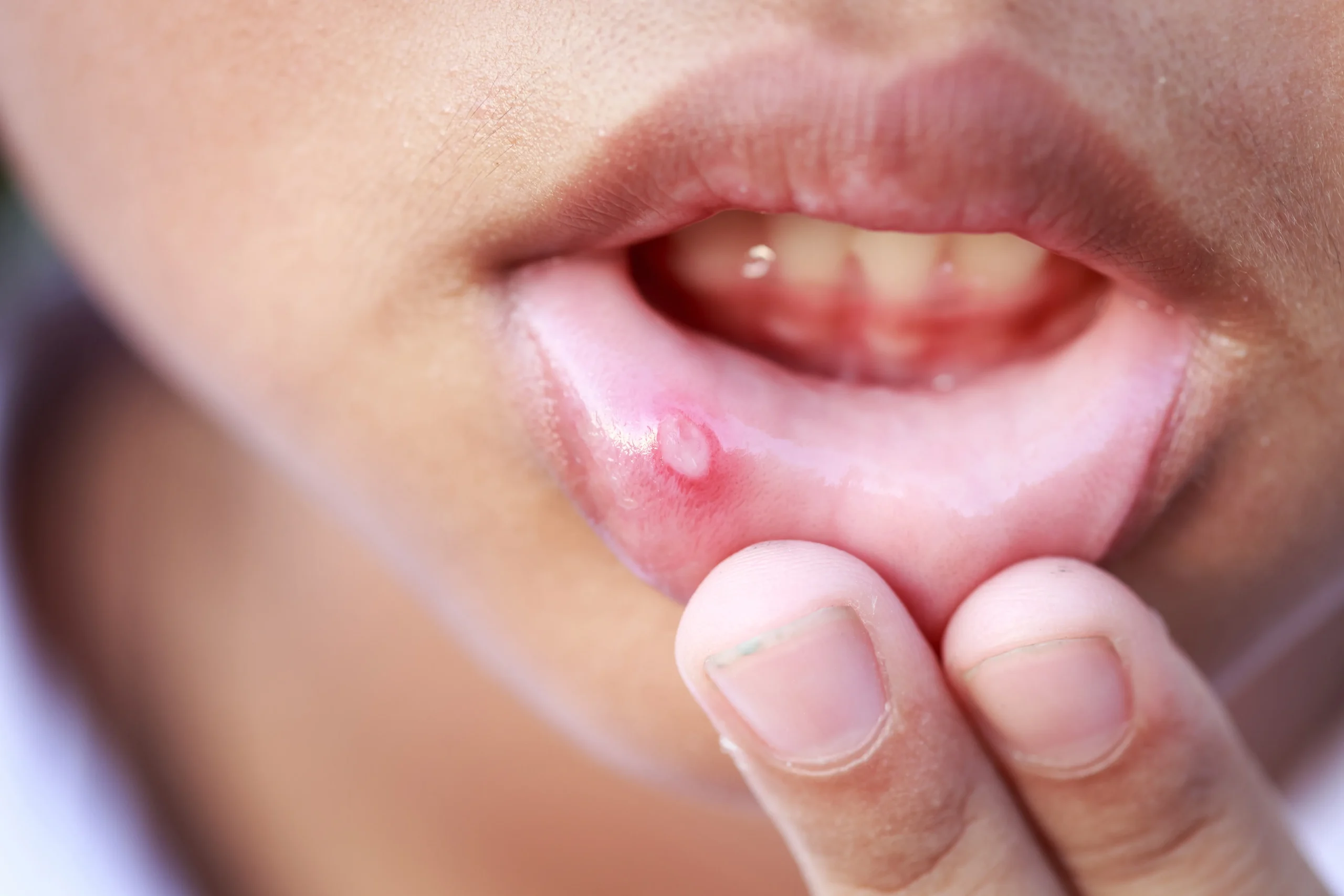
There are several types of mouth sores and lesions, each with distinct characteristics:
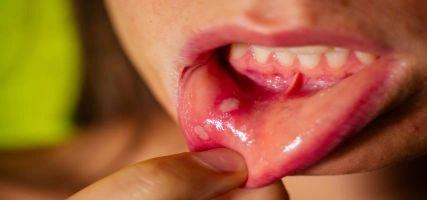
Small, round, painful ulcers inside the mouth. Often triggered by stress, minor injury, or acidic foods.
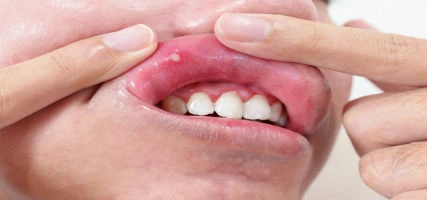
Caused by accidental bites, braces, sharp teeth, or rough brushing.
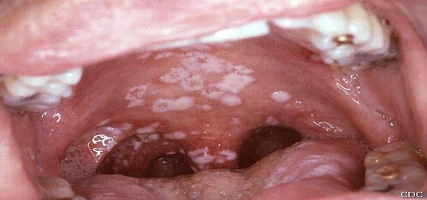
White, creamy patches caused by fungal infection, common after antibiotics or in low immunity.
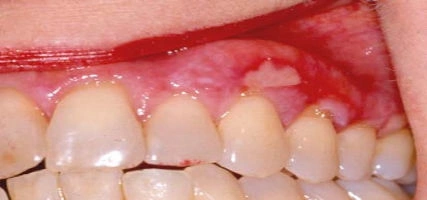
White, lace-like patches or painful sores linked to immune conditions.
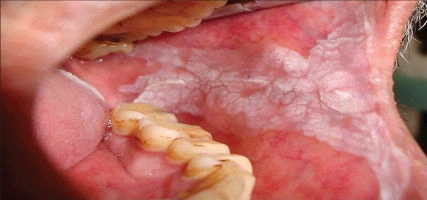
White or red patches that don’t heal. These require immediate evaluation.
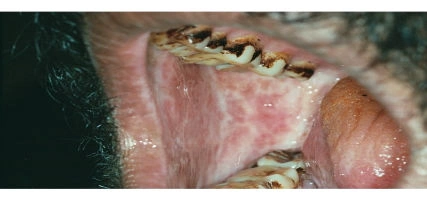
Ulcers that persist beyond 2–3 weeks, bleed, or appear with lumps should be checked urgently.
Mouth ulcers can appear for many reasons, and their exact trigger isn’t always clear. However, some factors make certain people more prone to developing them. Getting it evaluated helps understand the causative factor better for prompt & effective treatment.
Most mouth ulcers are easy to identify, but when they’re painful, persistent, or keep coming back, a proper evaluation helps determine the exact cause and the safest way to treat them. Here's how dentists typically assess mouth ulcers:
A basic clinical examination is typically sufficient for a healthcare provider to diagnose mouth ulcers. They will assess the lesions’ location, kind, and appearance.
While discussing your case history, your doctor will inquire about any possible triggers or related symptoms. Alongwith medical history the frequency, duration, and severity of your ulcers too helps understand the situation better.
For severe, persistent, or numerous lesions, few more tests are suggested to understand the recurring cause, namely:
Get expert guidance for persistent mouth ulcers, oral sores, and recurring irritation.

100% Privacy
Your consultation and medical details remain completely confidential.

Expert Examination
Specialists identify the possible cause behind recurring or non-healing ulcers.

Standardised Care
Evidence-based diagnosis and treatment protocols followed across all clinics.

Early Detection Support
Timely evaluation helps detect nutritional deficiencies, infections, or serious oral conditions early.
Most mouth ulcers heal within a few days, but the right care can reduce pain and speed recovery. Below are the evidence-based, medically supported treatments that actually work.
We follow a rigorous multi-step sterilization system and regular hygiene audits to ensure a completely safe environment for every treatment.
Your care is handled by trained, experienced dentists who provide accurate diagnosis and reliable, evidence-based treatment for ulcers.
Our low-level laser therapy offers painless relief and supports faster healing — ideal for recurring or severe ulcers.
With standardized protocols across 715+ clinics, you receive the same high-quality care no matter where you visit.
With 715+ clinics in 26+ cities, access care anywhere your records stay digital, clinics are open on weekends, with late appointments available.

Common questions about Mouth Ulcers
Mouth ulcers are painful, shallow sores that form on the soft tissue inside the mouth, inner cheeks, lips, gums, tongue, or floor of the mouth. The most common type (aphthous ulcers/canker sores) is triggered by minor trauma, nutritional deficiencies (B12, iron, folate), stress, hormonal changes, or food sensitivities. They are not contagious and typically heal in 7–14 days.
Mouth ulcers appear inside the mouth, are not infectious, and are not caused by a virus. Cold sores are caused by herpes simplex virus type 1 (HSV-1), appear on the lip border or skin around the mouth, are highly contagious, form fluid-filled blisters before crusting, and tend to recur in the same spot. A dentist can clinically differentiate the two during an examination.
Warm salt water rinses (2–3 times daily) reduce bacterial load and promote healing. Applying honey, pure aloe vera gel, or OTC benzocaine gel provides topical pain relief. Avoiding acidic, spicy, and rough-textured foods prevents further irritation. These measures manage symptoms but do not address underlying nutritional or immune causes of recurring ulcers.
Treatment for mouth ulcers depends on the underlying cause, severity, and how long the ulcer has been present. Dentists at Clove Dental first perform a detailed clinical examination to identify possible triggers such as irritation from sharp teeth, nutritional deficiencies, stress, infections, or underlying medical conditions. Based on the diagnosis, appropriate medications, medicated mouth rinses, dietary guidance, or other supportive treatments may be recommended to reduce pain and promote faster healing. For severe or recurring ulcers, advanced options like laser therapy may also be advised for quicker relief and improved healing.
Recurrent aphthous stomatitis (RAS) is strongly associated with B12, iron, or folate deficiency, Celiac disease, Crohn’s disease, SLE, hormonal fluctuations (particularly in women), and psychological stress. If you experience 3+ ulcers per month, clusters of small ulcers, or ulcers larger than 1 cm, investigation by a Clove Dental oral physician or physician is warranted.
Avoid citrus fruits (oranges, lemons), tomatoes, pineapple, vinegar-based foods, spicy curries, very salty foods, crunchy textures (crisps, toast, raw vegetables), and carbonated drinks. These all irritate the ulcer surface and delay healing. Opt for soft, bland, room-temperature foods until the ulcer has fully re-epithelialised.
Real smiles, real stories. Here's what our patients love about their CLOVE Dental experience!

Consulted for Mouth ulcer and healed within a week...

I visited the clinic for my mouth ulcer problem. Dr. Gargi was very helpful, she explained me the problems why I'm getting ulcers regularly, what can be done to solve it. She cleaned my teeths and gave me tips on how I can keep my teeths and gums healthy. She explains very well and I Highly recommend her

The clinic is located in close proximity to my home. Pleasant to see the good hygiene and infra standards there. Visited to get my scaling done, I also had some ulcer problem. Dr Rhea who heads the clinic in MV3 is very pleasant to interact with and explained in detail the diagnosis and corrective action required, scaling was done quickly and in a cost effective manner.

It was nice experience as Dr. Adish Chaudhary and DA Alam have given there best for the treatment I have gone, plus they have even helped me in finding the right treatment for my Mouth ulcers.

Clove Dental has clinics in 27 cities in India. Find the nearest one for expert Dental Implant care at a reasonable cost.


