X

Get Instant Callback

Didn’t Find What You Were Looking for! Get a call back from Expert Dentist

Captcha

Best Endodontist in India – Expert Root Canal Treatment & Care

Comprehensive, pain-free endodontic care to treat infection, repair damage, and save your natural teeth.

Book Appointment

Endodontists in India

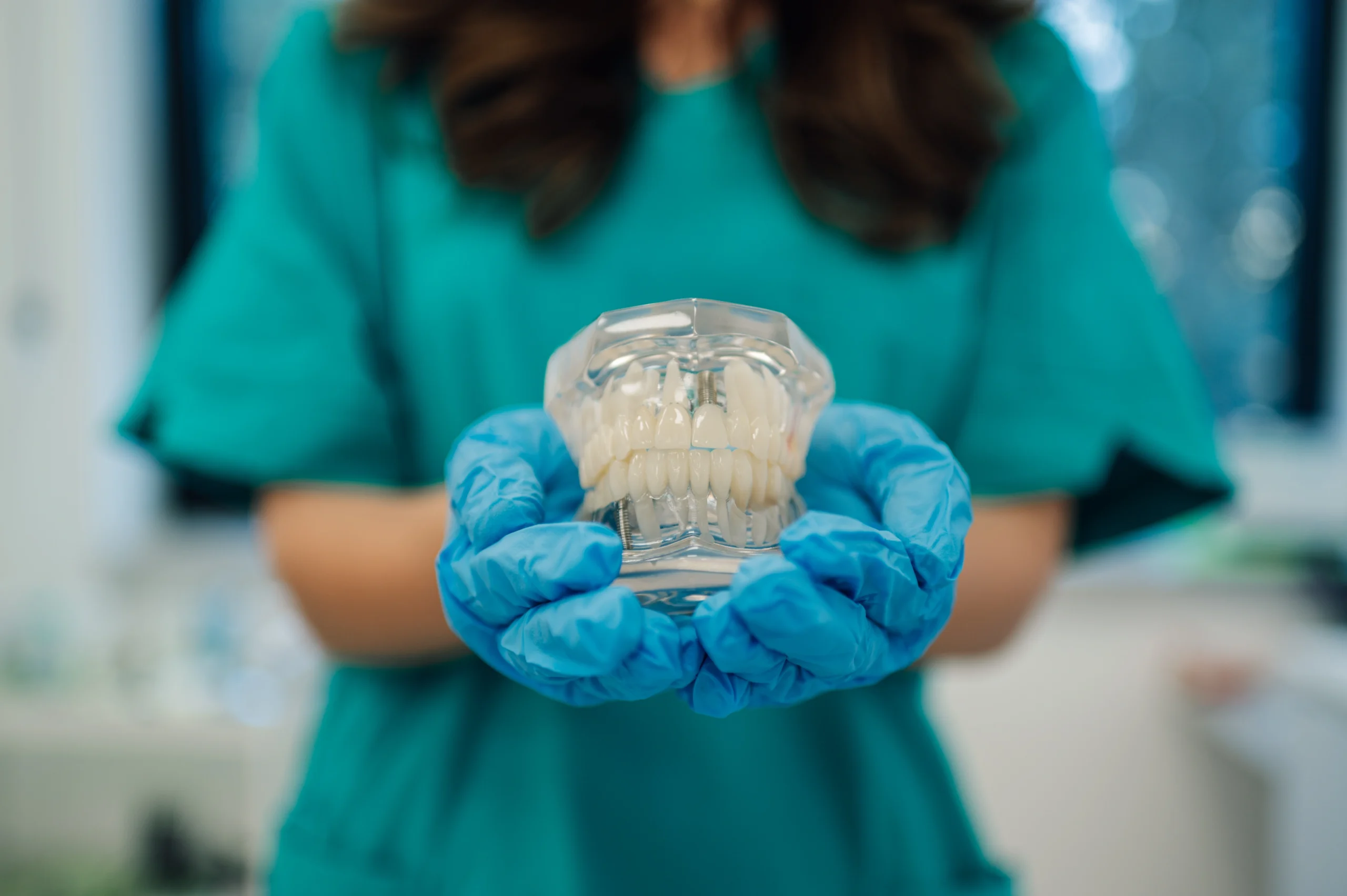
Endodontists specialise in saving and repairing natural teeth. At Clove Dental, our Endodontists in India manage deep decay, cracks, trauma, internal infections, complex fillings, and cases requiring structural restoration.

Through root canal therapy and tooth-preserving treatments, they relieve pain, protect natural strength, and restore comfortable chewing and long-lasting function.

When to See an Endodontist

Knowing when to consult an Endodontist is important because early treatment can stop pain, prevent complications, and often save the tooth from extraction. You should see an Endodontist if you notice any of the following:

Pain while chewing, biting, or even lightly touching the tooth often indicates nerve inflammation or deep decay.

If hot or cold foods trigger pain that lasts more than a few seconds, the inner pulp may be irritated or infected.

Early black spots, brown patches, or shadowing are common signs of progressing dental caries. When decay approaches the nerve, an Endodontist’s intervention is crucial to save the tooth.

Puffiness, tenderness, or warmth in the gums often point to infection at the tooth root.

Internal discoloration may signal a damaged or dying nerve and requires immediate evaluation.

A gum boil, bad taste, or drainage of pus means the infection has spread and needs urgent root canal treatment.

Cracks from trauma, biting hard foods, or grinding can expose the pulp and lead to rapid infection.

If discomfort persists after a filling or crown, the tooth’s nerve may be compromised and require endodontic attention.

How Endodontic Treatment Works

Endodontic care is tailored to the condition of each tooth. Whether it’s deep decay, a cracked tooth, trauma, or nerve infection, our Endodontists follow a structured, comfort-focused approach to save and restore the tooth.

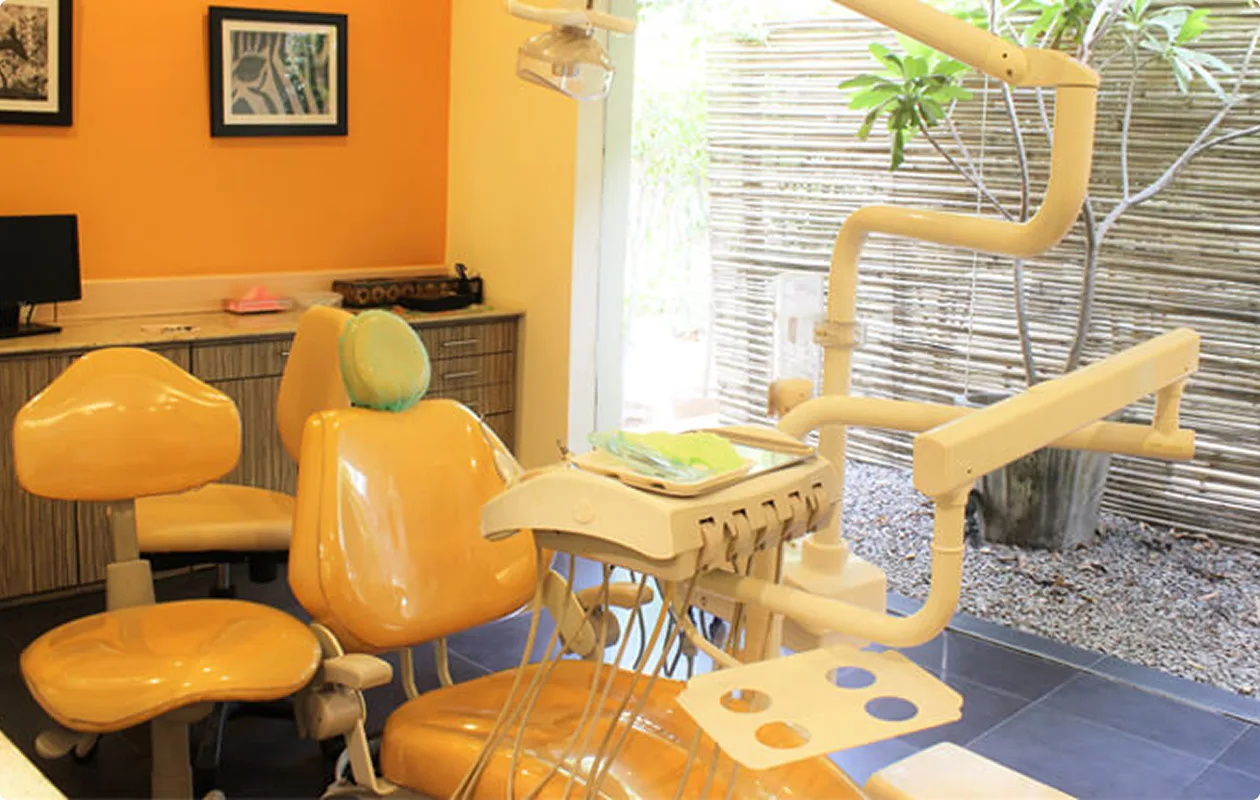
Pediatric dentist with child
1

Detailed Assessment

A complete clinical exam with digital X-rays helps identify the problem—whether it’s decay near the nerve, infection, or internal damage.

2

Pain Relief & Protection

We numb the tooth fully to ensure a comfortable experience. The tooth is isolated to keep it clean during treatment.

3

Targeted Treatment Based on the Tooth’s Condition

Depending on the tooth’s condition, treatment can remove infection, repair damage, manage trauma, redo failed work, or preserve the nerve to save the tooth.

4

Sealing & Strengthening

Once treated, the tooth is sealed to prevent reinfection. If required, the tooth is built up or prepared for a crown to restore strength and function.

5

Final Restoration & Follow-Up

A filling or crown is placed to protect the tooth long-term. Follow-up ensures healing and complete comfort.

Cost & Offers for Endodontic Care in India

Costs depend on your tooth’s condition and the treatment required. We keep pricing transparent, with treatments starting at:

Treatment Category Starting Price (Rs.)
Dental fillings 850
Root Canal Treatment 4,600
Re-Root Canal Treatment 10,500
Treatment Category Starting Price (Rs.)
Inlay/Onlay 2,990
Apicoectomy (Surgical Procedure) 18,990
Emergency Endodontic Care 3,490

Common Dental Issues Treated by Endodontists

Key Specializations of an Endodontist

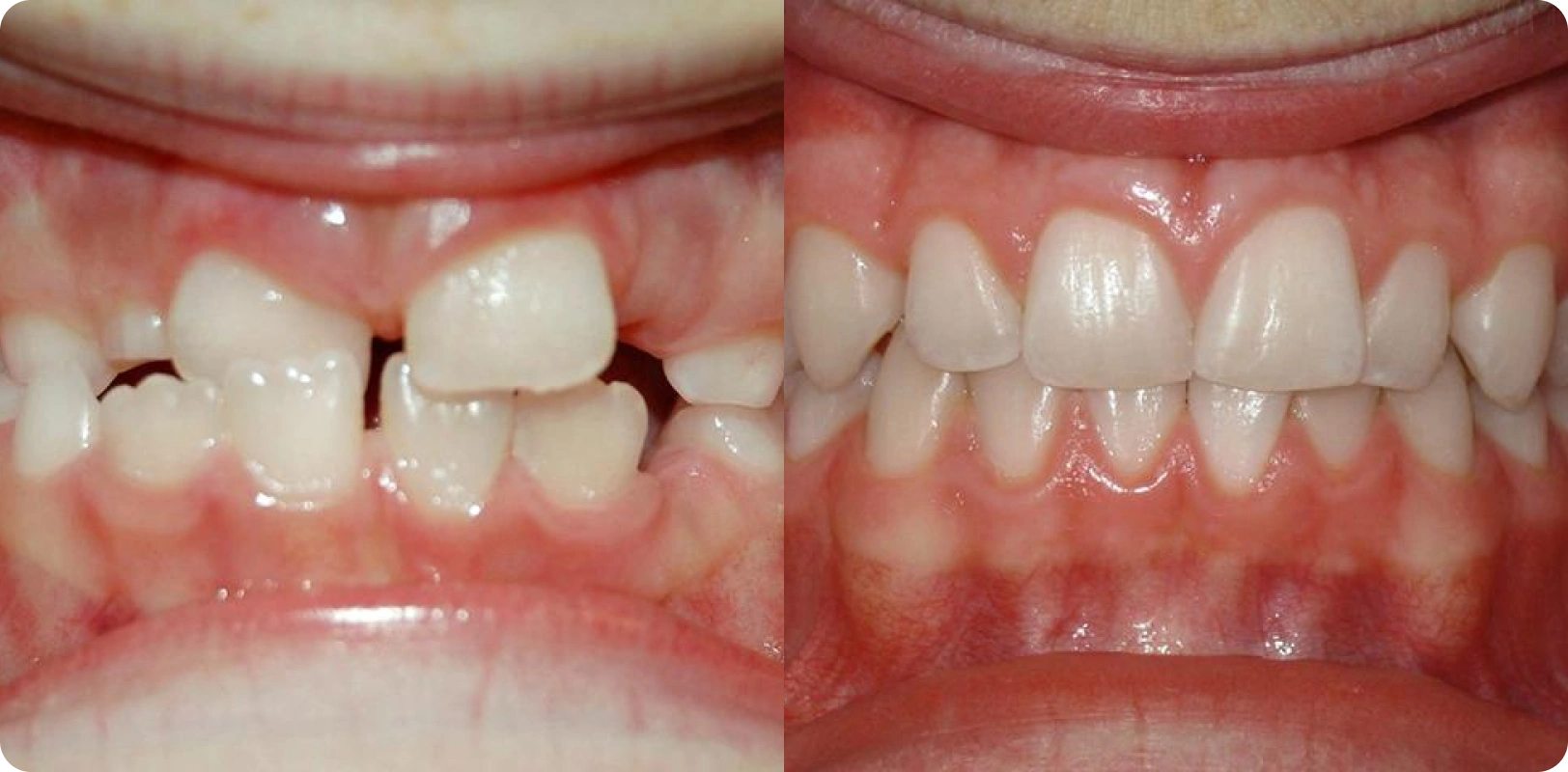
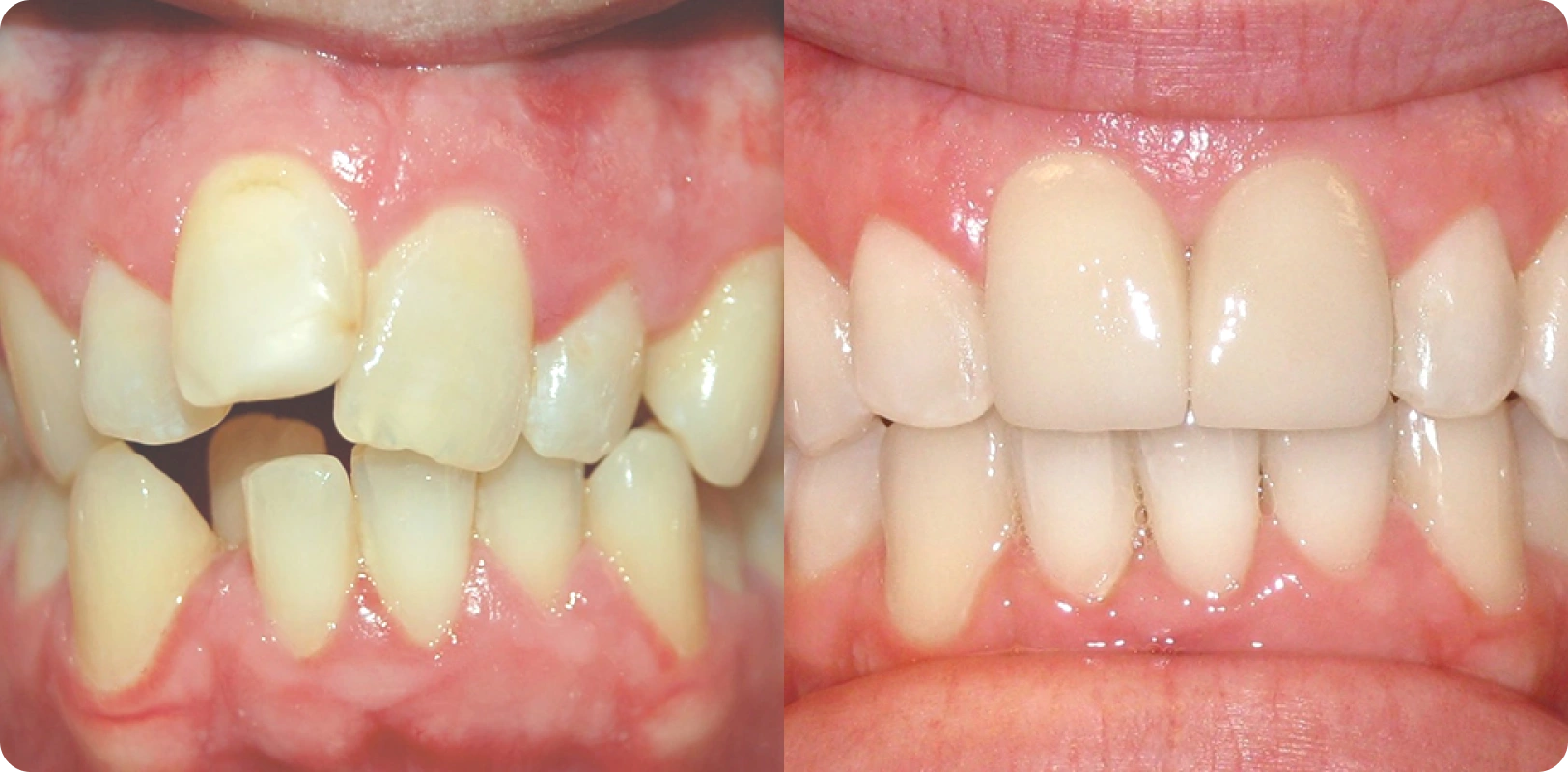
Real Stories from Happy Patients

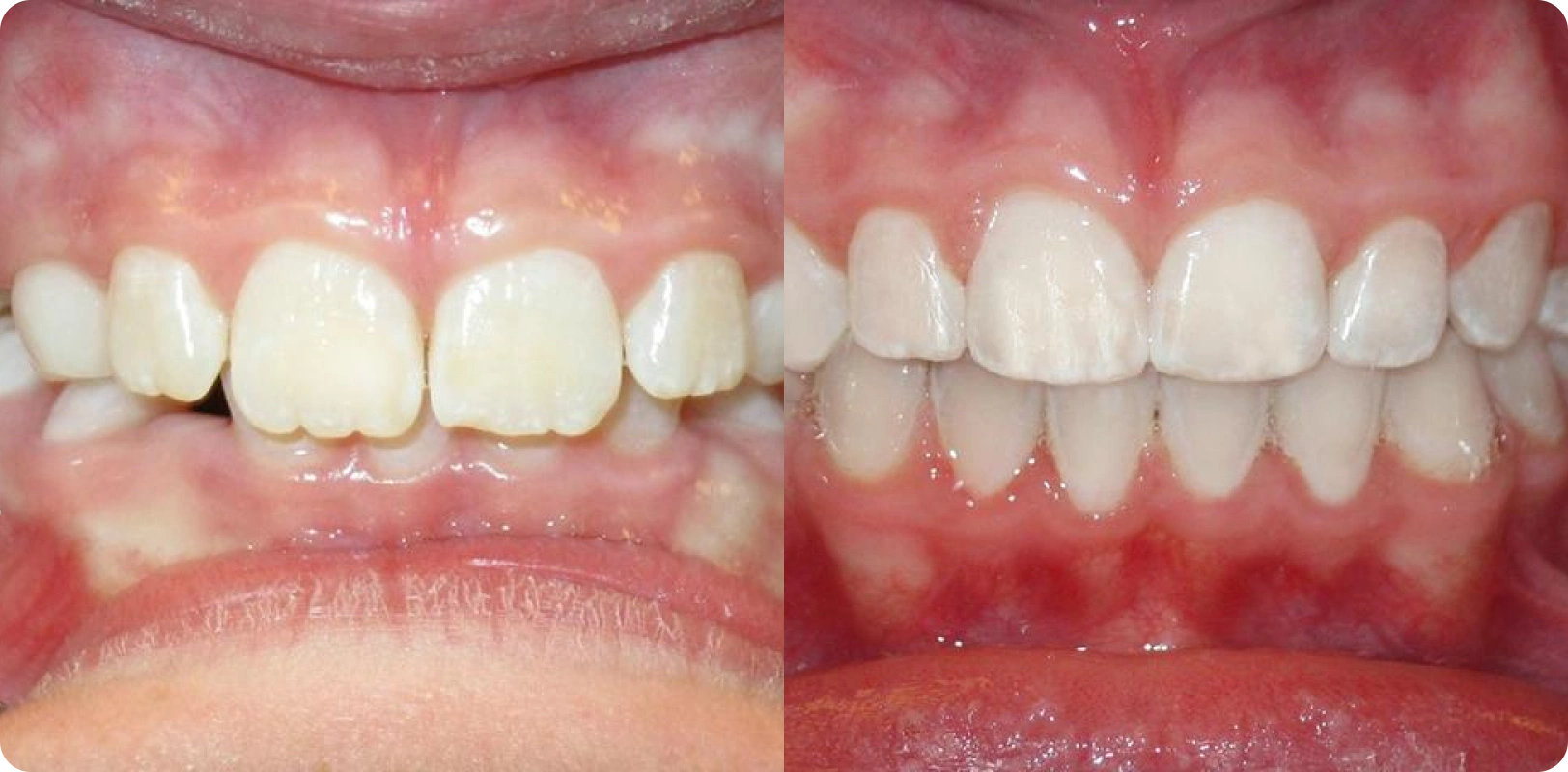
From misaligned teeth to perfect smiles

Frequently Asked Questions

What is an endodontist and what does their specialist training involve?
An endodontist holds an MDS in Conservative Dentistry and Endodontics, three years of postgraduate training beyond dental school, dedicated entirely to the diagnosis, prevention, and treatment of diseases of the dental pulp and periradicular tissues. Their clinical focus covers root canal treatment, pulp diagnosis, retreatment of failed RCT, endodontic surgery, and the management of dental trauma.
How does an endodontist differ from a general dentist performing root canal treatment?
A skilled general dentist performs straightforward RCT competently. An endodontist manages the cases that sit beyond routine: upper molars with four or more canals, calcified or severely curved roots, teeth where previous root canals have failed, cases requiring surgical endodontics, and anatomically complex presentations visible on CBCT imaging. Their narrower clinical focus and greater case volume produce higher success rates on difficult cases.
When should I ask for a referral to an endodontist?
Request specialist referral for: a molar with suspected four-plus canals, any tooth where a general dentist has been unable to locate all canals, a root canal-treated tooth that has become painful or developed new swelling, a tooth with a separated instrument in the canal, a case where CBCT imaging shows anatomical complexity near the inferior alveolar nerve or other structures, or any case requiring apicoectomy.
What is endodontic retreatment and how does it differ from initial RCT?
Retreatment involves removing the existing root canal filling material (gutta-percha and sealer) from the canals, re-cleaning with irrigation and shaping, eliminating residual infection that persisted or recurred, and resealing the root system. It requires specialist instruments, ultrasonic tips for material removal, surgical operating microscope for visualisation, and takes longer than initial RCT. It is the standard recommendation before any extraction is considered.
What is an apicoectomy and in what circumstances is it appropriate?
An apicoectomy is surgical endodontics: the root tip is accessed through the gum, the infected periapical tissue is removed, 2–3mm of root end is resected, and a biocompatible root-end filling seals the canal from the apical direction. It is appropriate when conventional retreatment cannot adequately address persistent infection, due to a post crown, calcification, or complex apical anatomy preventing complete cleaning from the crown direction.
What instruments and technology do endodontists use that general dentists typically do not?
Specialist endodontists routinely use: surgical operating microscopes (10–16x magnification for canal location and fracture detection), CBCT 3D imaging for pre-treatment planning, ultrasonic irrigants for superior canal disinfection, electronic apex locators for precise working length, nickel-titanium (NiTi) rotary file systems for efficient canal shaping, and warm vertical compaction systems for superior obturation quality.
What is the success rate of root canal treatment by an endodontist?
Initial root canal treatment by a specialist endodontist achieves a 10-year success rate of 90–95%+, with higher rates on teeth without pre-existing periapical pathology. Clove Dental has performed over 2 lakh root canal treatments across its network. Standardised endodontic protocols, rotary instrumentation, and rigorous irrigation ensure outcomes aligned with international clinical benchmarks across all Clove Dental clinics.
What does endodontic treatment cost at Clove Dental?
Initial RCT ranges from ₹2,000–₹4,500 for anterior teeth to ₹4,500–₹9,000 for molars. Retreatment costs ₹3,000–₹12,000 depending on tooth type, case complexity, and material removal requirements. Apicoectomy is quoted individually. All fees are presented in a full written plan at the initial consultation, including the recommended dental crown to be placed after RCT, never disclosed as a surprise add-on.
Verified
Medically Reviewed
Last Reviewed by Clove Clinical Team on Mar 5, 2026 | Written by Dr. Shreya BDS, PGDCC.

Journey Through Knowledge: Blog Hub

Explore More Blogs

Experience new-age dentistry in utmost comfort, here at Clove Dental.

Book Appointment
Dentist holding instrument Dentist holding instrument
Toggle Arrow

Endodontist in Other Locations

DISCLAIMER: Please note that the prices mentioned on this page: (a) present a range (depending upon the severity of the dental condition, the technology used in treatment, type of dental products used, etc.); (b) are true as on the date of this page and may change on a later date, in accordance with the standard company policy; (c) may be subject to standard aberrations or generalizations on account of the use of AI in general Google/internet search by you.
Skip to toolbar